
06-23-2026

On-Demand Courses
Complete CEUs at Your Pace - Video courses anytime, anywhere.
Instant Certificates - Available the moment you complete the quiz.
Accredited Across North America - Valid for U.S. state licenses and Canada.
Explore Our Course Library
Specialty Courses
Duration
Filter by
Search by Key Words
Acoustic Door Assemblies and Their Role in Sound Control

FREE
Description
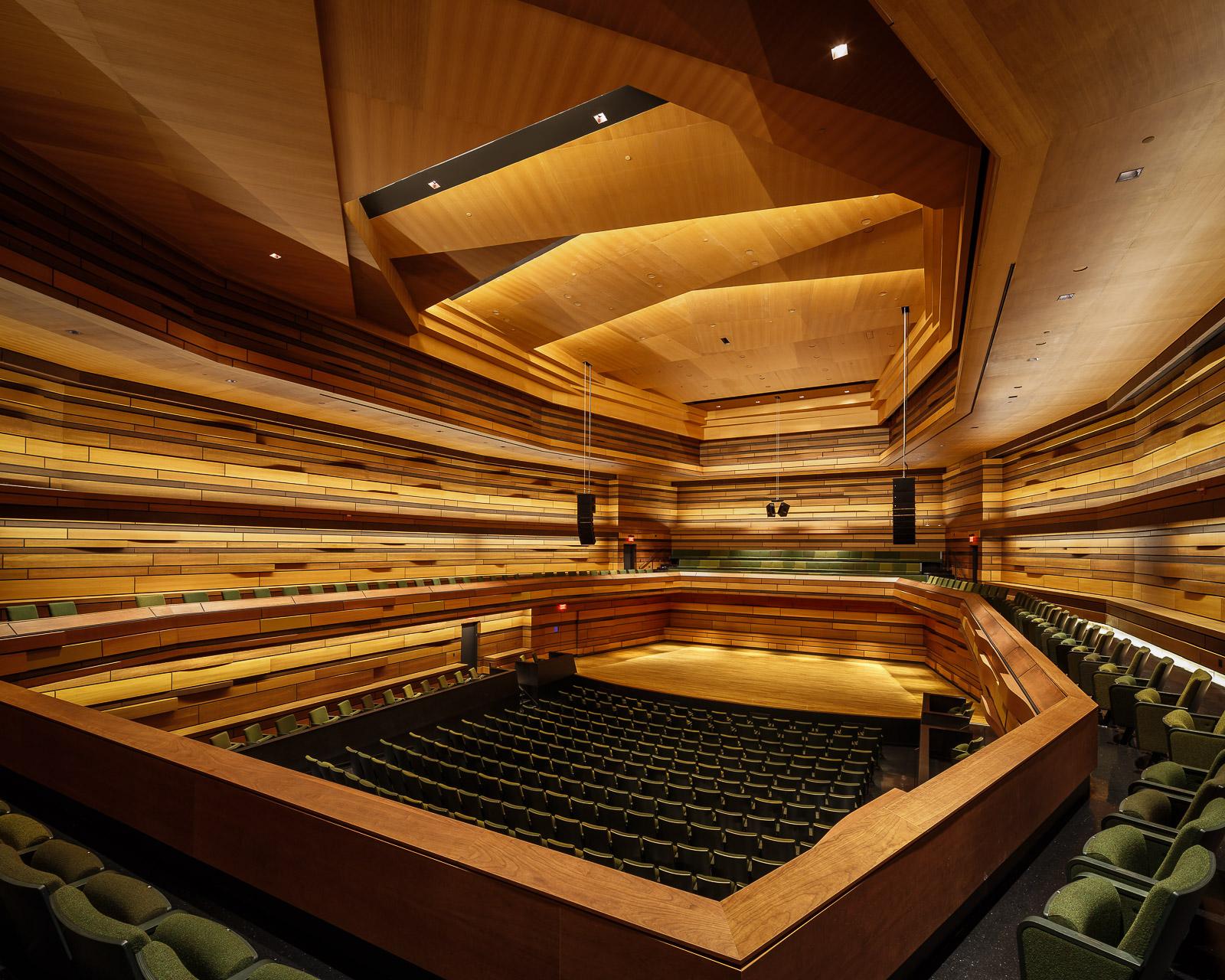
Sound control is a critical element to a building’s design. How an occupant will use the space must be understood in order to deliver a healthy and functional environment free of noise. Is speech privacy important? Is this a learning environment? Does the office open to a manufacturing floor? We all think of the walls, ceiling, and floor when discussing sound attenuation. But we must not overlook the importance of an acoustic-door assembly. Without the proper acoustic door, the sound-control goals in an acoustic plan may not be met. This course will review healthy sound levels and how to test and identify target STC ratings. We’ll discuss the elements of the acoustic-door assembly and how the assembly addresses fire-ratings and...
Credits: 1 AIA LU HSW + 1 GBCI (USGBC/CAGBC) + 1 AIBD Primary + 1 AIBC Core LU + 1 AAA Structured LU + 1 OAA, OAQ, SAA, MAA, AAPEI, NWTAA
Length: 1 hour
Sponsored by: Ambico Ltd.
NEW!

The Regenerative Power of Cork: Responsible Harvesting and High-Performance Uses in the Built Environment
FREE
Description
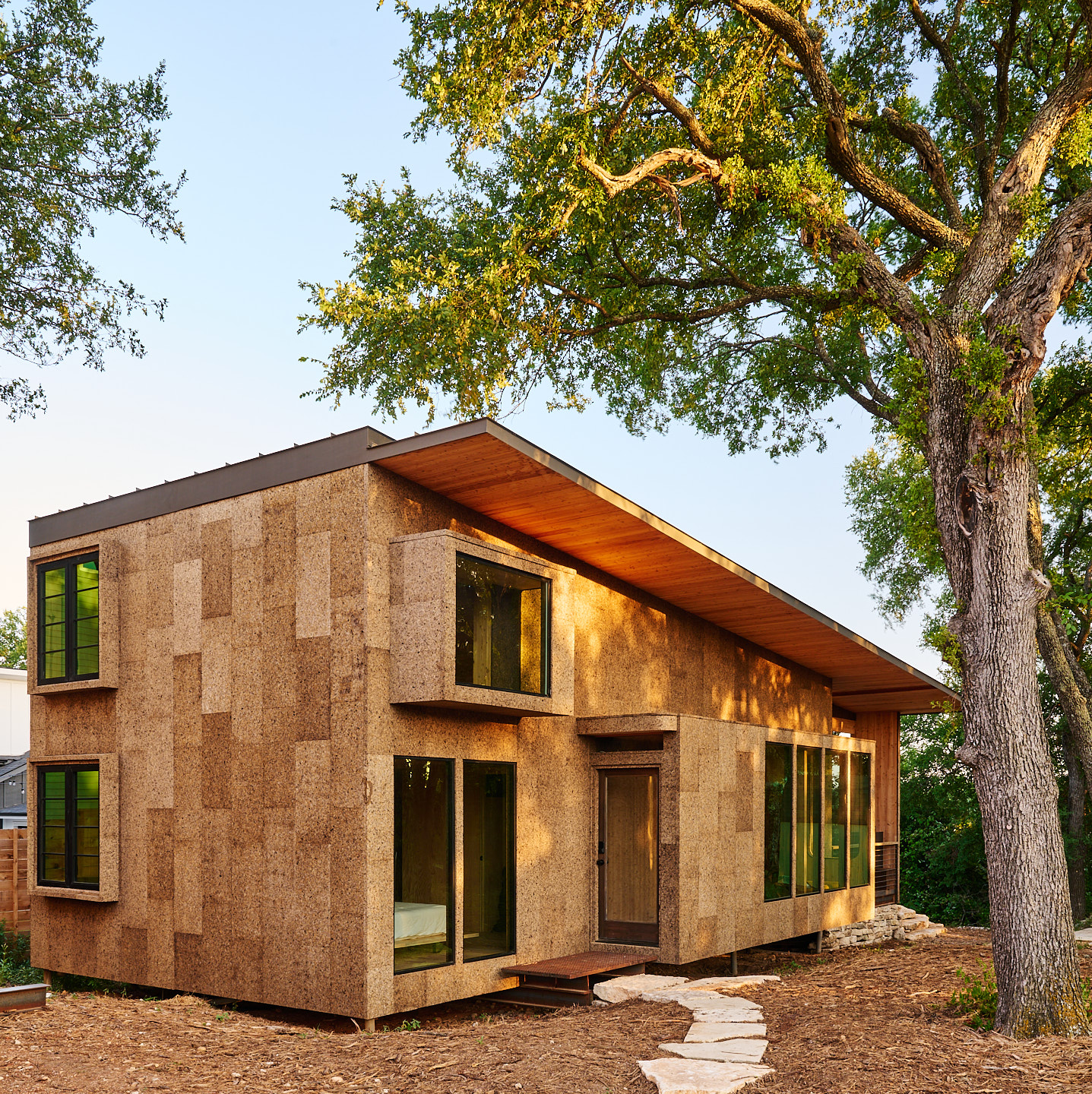
The word sustainable is often used to describe building products, but few are more sustainable than cork. This course will dive deep into the Cork Oak tree, its regenerative bark, mindful harvesting, and its use in the building products. We’ll review cork’s natural properties that make it ideal in the built environment, including thermal insulation, moisture resistance, durability, and superior acoustic control. This course will examine the use of cork in flooring underlayment, underscreed, cork cladding, and thermal insulation. Lastly, we’ll address cork’s contribution to a circular economy and review its lifecycle stages from its responsible forestry at raw materials to its end-of-life where cork products can be recycled into new products.
Presented By: Andreia Almeida,
Credits: 1 AIA LU HSW + 1 AIBD Primary + 1 Sustainable Design + 1 AIBC Core LU + 1 AAA Structured LU + 1 OAA, OAQ, SAA, MAA, AAPEI, NWTAA + 1 Climate Action (OAA)
Length: 1h
Sponsored by: Amorim Cork Solutions, LLC
Elevate, Innovate, Acoustically Integrate: An Architects Guide to Dry Topping in Wood Structures
FREE
Description
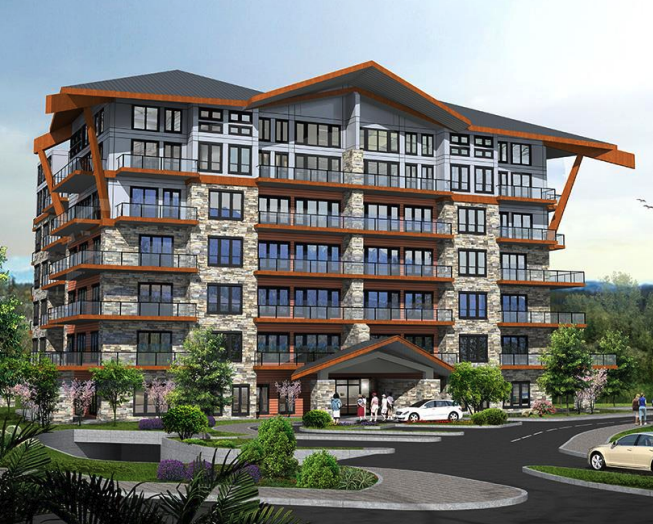
In this session using specific project case studies, discover the latest ground-breaking advancements in sound technology that are transforming acoustic design in wood construction. There are many critical factors to consider when looking at acoustic systems: weight reduction, fire performance, structural height, on-site sequencing and environmental sustainability must all be taken into account. This session will shed light on the advantages of dry toppings over wet toppings, presenting innovative solutions that not only comply with building codes but also keep the construction process moving forward.
Credits: 1 AIA LU HSW + 1 AIBD Primary + 1 AIBC Core LU + 1 AAA Structured LU + 1 OAA, OAQ, SAA, MAA, AAPEI, NWTAA

Length: 1 hour
Sponsored by: AcoustiTECH
NEW!

Sound Control Dynamics for Sustainable Construction
FREE
Description
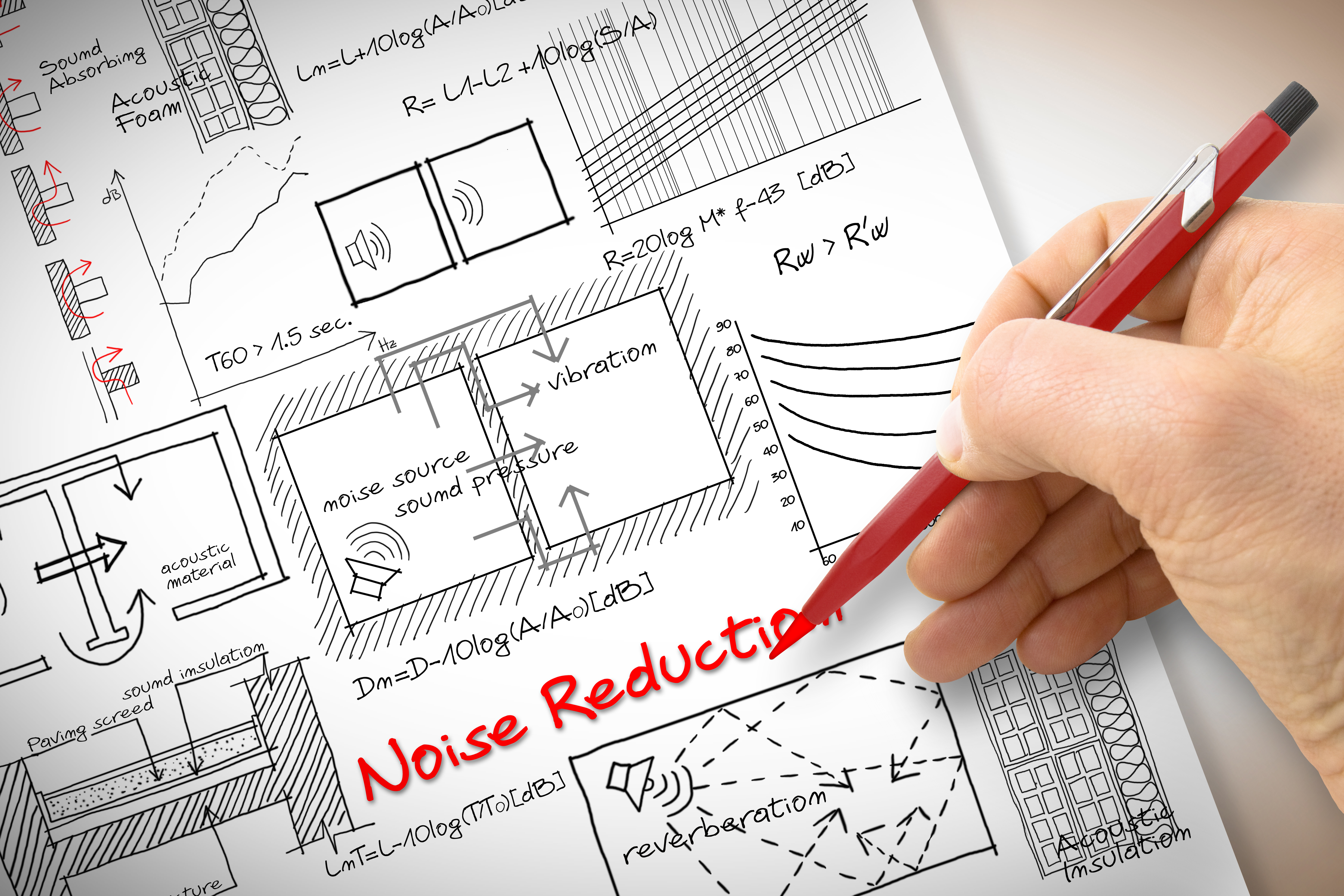
In this one-hour course, design professionals will gain practical knowledge of the nature and characteristics of sound propagation and attenuation. We will show how that knowledge can be applied to the design of wall and floor/ceiling assemblies. We will discuss building code criteria and guidelines, including strategies to meet these requirements utilizing sustainable cellulosic fiberboard. By the end of this course, design professionals will be able to specify optimal sound control strategies that best fit each project’s needs.
Presented By: Steve Gleason, Technical Engineer
Credits: 1 AIA LU HSW + 1 GBCI (USGBC/CAGBC) + 1 AIBD Primary + 1 AIBC Core LU + 1 AAA Structured LU + 1 OAA, OAQ, SAA, MAA, AAPEI, NWTAA
Length: 1 hour
Sponsored by: Homasote
The Role of Commercial Steel Doors in Resilient Design
FREE
Description
Resiliency is a growing necessity. It is important to understand the impacts on the built environment resulting from natural and manmade disasters and disturbances and to design for those impacts now. Presented in this course is an overview of the benefits of using steel doors as part of a resilient design strategy for applications requiring resistance to blasts, tornadoes, and ballistics.
Credits: 1 AIA LU HSW + 1 AIBD Elective + 1 OAA, OAQ, SAA, MAA, AAPEI, NWTAA
Length: 1h
Sponsored by: Ambico Ltd.
Better Design Through a Deeper Understanding of Acoustic Ratings
FREE
Description
This course covers two widely used acoustic metrics, the STC and IIC ratings. Although these ratings are required by building codes and frequently used, they are still often poorly understood and there are many myths and misconceptions around their use. This course looks “under the hood” of the STC and IIC ratings to get a better understanding of what they are, how they work, and what they do and don’t tell us. Importantly, this course covers shortcomings of the STC and IIC ratings that if not understood can lead to poor designs for noise control. In that vein, this course also looks at two new acoustic ratings, HIIC and LIIC, that provide a better insight into the impact-noise reduction provided...
Credits: 1 AIA LU HSW + 1 AIBD Primary + 1 AIBC Core LU + 1 AAA Structured LU + 1 OAA, OAQ, SAA, MAA, AAPEI, NWTAA
Length: 1 hour
Sponsored by: PAC International
Don't Let Your Good Sound Isolation Go Up in Smoke!
FREE
Description
Partitions used for sound isolation are often required to also provide fire resistance. This is especially true in multi-family construction where the vast majority of unit demising walls and floor/ceiling assemblies must be fire rated. Solid working knowledge of fire-resistive designs is essential for architects to design acoustic partitions that can actually be built on-site. There are many design elements that work well for fire and for acoustics, but there are also areas where what works well for fire can be at odds with what works well for acoustics. In this presentation, we will look at the elements of acoustic and fire design both for basic wall and floor/ceiling assemblies and for design details like wall-wall...
Credits: 1 AIA LU HSW + 1 AIBD Primary + 1 OAA, OAQ, SAA, MAA, AAPEI, NWTAA Length: 1 hour
Sponsored by: PAC International
Sound Advice For Architectural Acoustics

$20
Description
Unwanted sound impacts and affects inhabitants of our created spaces, both physiologically and psychologically. If it not already, controlling noise will quickly become a mandated concern for designers.
Attesting to increasing regulatory focus on noise, is a recent proliferation of standards, guidelines, and codes regarding acoustics. Very soon, many of these guidelines will no longer be mere suggestions. Most acoustic concerns can be addressed with a basic understanding on how sound travels and is reflected, blocked, absorbed, or transmitted by materials and assemblies chosen in designing envelopes.
Acoustic design is best addressed in an incremental fashion. Fundamentals are first covered, including basic principles regarding sound, how its energy moves through matter, how its path and intensity can...
Credits: 1.5 AIA LU HSW + 1.5 GBCI (USGBC/CAGBC) + 1 AIBD Primary + 1.5 AIBC Core LU + 1.5 AAA Structured LU + 1 OAA, OAQ, SAA, MAA, AAPEI, NWTAA Length: 1.5h
Sponsored by: AFD Consulting (Paul Spite)

Acoustic Door Assemblies and Their Role in Sound Control
FREE
Description
Sound control is a critical element to a building’s design. How an occupant will use the space must be understood in order to deliver a healthy and functional environment free of noise. Is speech privacy important? Is this a learning environment? Does the office open to a manufacturing floor? We all think of the walls, ceiling, and floor when discussing sound attenuation. But we must not overlook the importance of an acoustic-door assembly. Without the proper acoustic door, the sound-control goals in an acoustic plan may not be met. This course will review healthy sound levels and how to test and identify target STC ratings. We’ll discuss the elements of the acoustic-door assembly and how the assembly addresses fire-ratings and...
Credits: 1 AIA LU HSW + 1 GBCI (USGBC/CAGBC) + 1 AIBD Primary + 1 AIBC Core LU + 1 AAA Structured LU + 1 OAA, OAQ, SAA, MAA, AAPEI, NWTAA
Length: 1 hour
Sponsored by: Ambico Ltd.
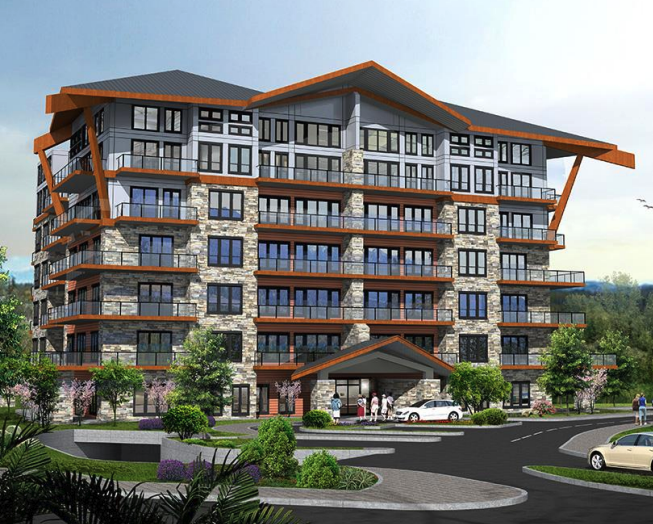
Elevate, Innovate, Acoustically Integrate: Sustainable Dry Topping Solutions for Wood Structures
"Very informative on the advantages o wood vs concrete if done right to increase the STC to equal or exceed concrete"
- Stephen
FREE
Description
In this session using specific project case studies, discover the latest ground-breaking advancements in sound technology that are transforming acoustic design in wood construction. There are many critical factors to consider when looking at acoustic systems: weight reduction, fire performance, structural height, on-site sequencing and environmental sustainability must all be taken into account. This session will shed light on the advantages of dry toppings over wet toppings, presenting innovative solutions that not only comply with building codes but also keep the construction process moving forward.
Credits: 1 AIA LU HSW + 1 GBCI (USGBC/CAGBC) + 1 AIBD Primary + 1 Sustainable Design + 1 AIBC Core LU + 1 AAA Structured LU + 1 OAA, OAQ, SAA, MAA, AAPEI, NWTAA + 1 Climate Action (OAA)
Length: 1 hour
Sponsored by: AcoustiTECH
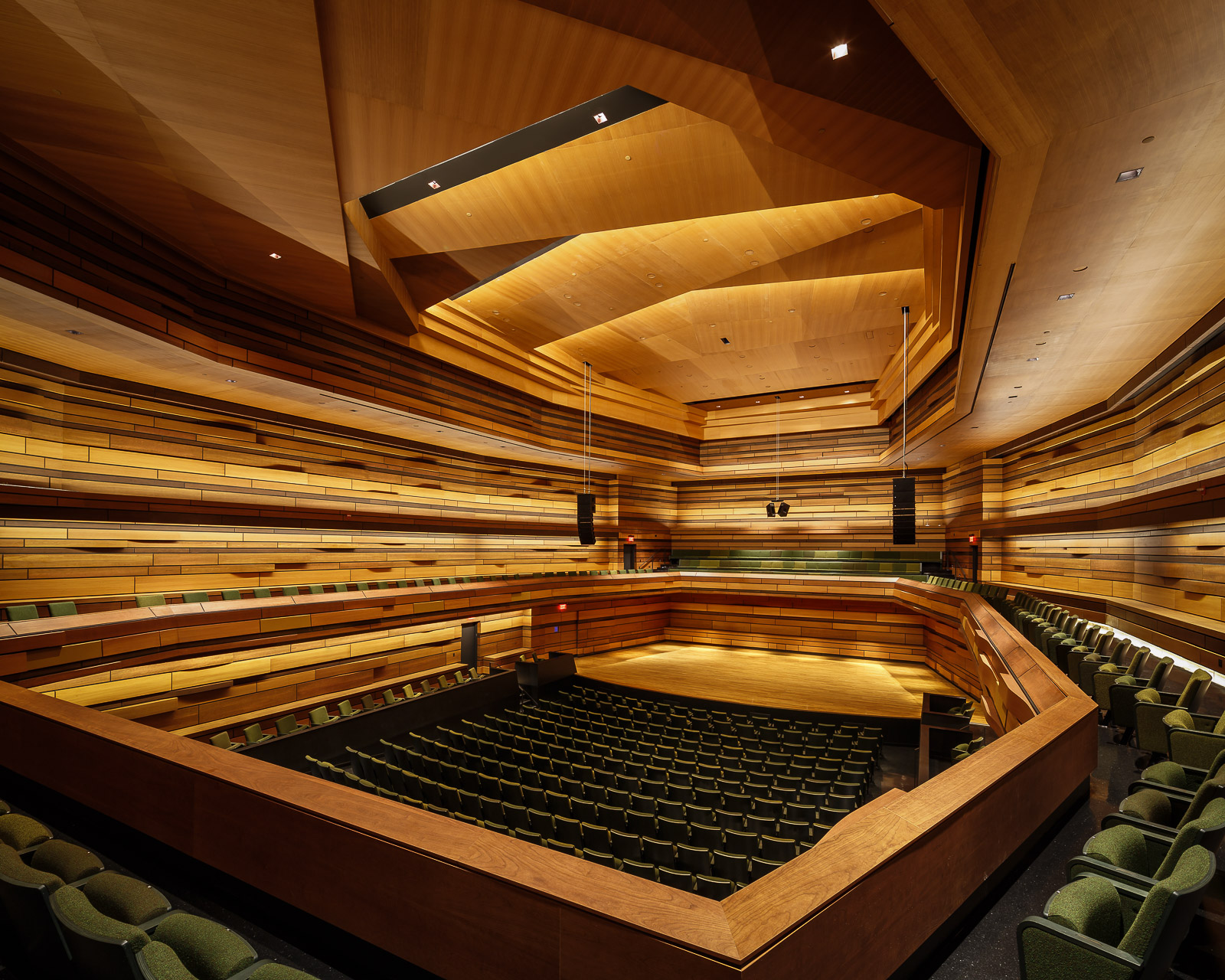
The Role of Commercial Steel Doors in Resilient Design
FREE
Description
Resiliency is a growing necessity. It is important to understand the impacts on the built environment resulting from natural and manmade disasters and disturbances and to design for those impacts now. Presented in this course is an overview of the benefits of using steel doors as part of a resilient design strategy for applications requiring resistance to blasts, tornadoes, and ballistics.
Credits: 1 AIA LU HSW + 1 AIBD Elective + 1 OAA, OAQ, SAA, MAA, AAPEI, NWTAA
Length: 1h
Sponsored by: Ambico Ltd.
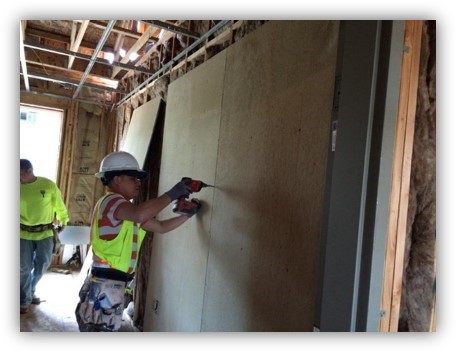
Designing for Sound Control: Effective, GREEN, Principles and Practices
FREE
Description
In this one-hour course, design professionals will gain practical knowledge of effective principles of sound control and how they can be applied to the design of wall and floor/ceiling assemblies. We will discuss building code criteria and guidelines, including strategies to meet these requirements utilizing cellulosic fiberboard. By the end of this course, design professionals will be able to specify optimal sound control strategies that best fit each project’s needs.
Credits: 1 AIA LU HSW + 1 AIBD Primary + 1 AIBC Core LU + 1 AAA Structured LU + 1 OAA, OAQ, SAA, MAA, AAPEI, NWTAA
Length: 1 hour
Sponsored by: Homasote
NEW!

Sound Advice For Architectural Acoustics
$20
Description
Unwanted sound impacts and affects inhabitants of our created spaces, both physiologically and psychologically. If it not already, controlling noise will quickly become a mandated concern for designers.
Attesting to increasing regulatory focus on noise, is a recent proliferation of standards, guidelines, and codes regarding acoustics. Very soon, many of these guidelines will no longer be mere suggestions. Most acoustic concerns can be addressed with a basic understanding on how sound travels and is reflected, blocked, absorbed, or transmitted by materials and assemblies chosen in designing envelopes.
Acoustic design is best addressed in an incremental fashion. Fundamentals are first covered, including basic principles regarding sound, how its energy moves through matter, how its path and intensity can...
Presented By: Paul Spite,
Credits: 1.5 AIA LU HSW + 1.5 GBCI (USGBC/CAGBC) + 1.5 AIBD Primary + 1 AIBC Core LU + 1 AAA Structured LU + 1.5 OAA, OAQ, SAA, MAA, AAPEI, NWTAA Length: 1 hour
Sponsored by: ATS Seminar - America Training Solutions


Download our App!