
06-30-2026

On-Demand Courses
Complete CEUs at Your Pace - Video courses anytime, anywhere.
Instant Certificates - Available the moment you complete the quiz.
Accredited Across North America - Valid for U.S. state licenses and Canada.
Explore Our Course Library
Specialty Courses
Duration
Filter by
Search by Key Words
Thermally Modified Wood: For the Love of Wood

FREE
Description
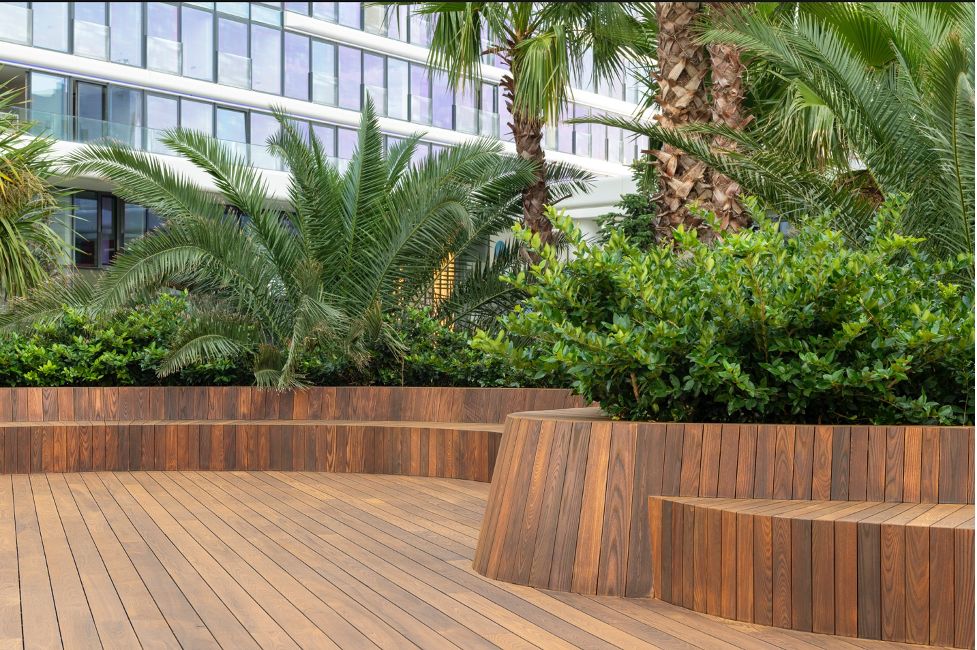
Humans have serious relationship with wood. Trees are the lungs of the Earth, and without them we wouldn’t be here. We breathe the oxygen released by trees, and trees absorb the carbon-dioxide we exhale. It makes sense why we love to design with beautiful wood.
With that love, we must be responsible. With the over-harvesting of tropical hardwoods, we seek technologies to strengthen the less-durable wood species that are responsibly grown. This course will explain how thermally-modified wood meets that challenge.
Credits: 1 AIA LU HSW + 1 GBCI (USGBC/CAGBC) + 1 AIBD Primary + 1 Sustainable Design + 1 AIBC Core LU + 1 AAA Structured LU + 1 OAA, OAQ, SAA, MAA, AAPEI, NWTAA

Length: 1h
Sponsored by: ATS Seminar - America Training Solutions
NEW!

The Regenerative Power of Cork: Responsible Harvesting and High-Performance Uses in the Built Environment
FREE
Description
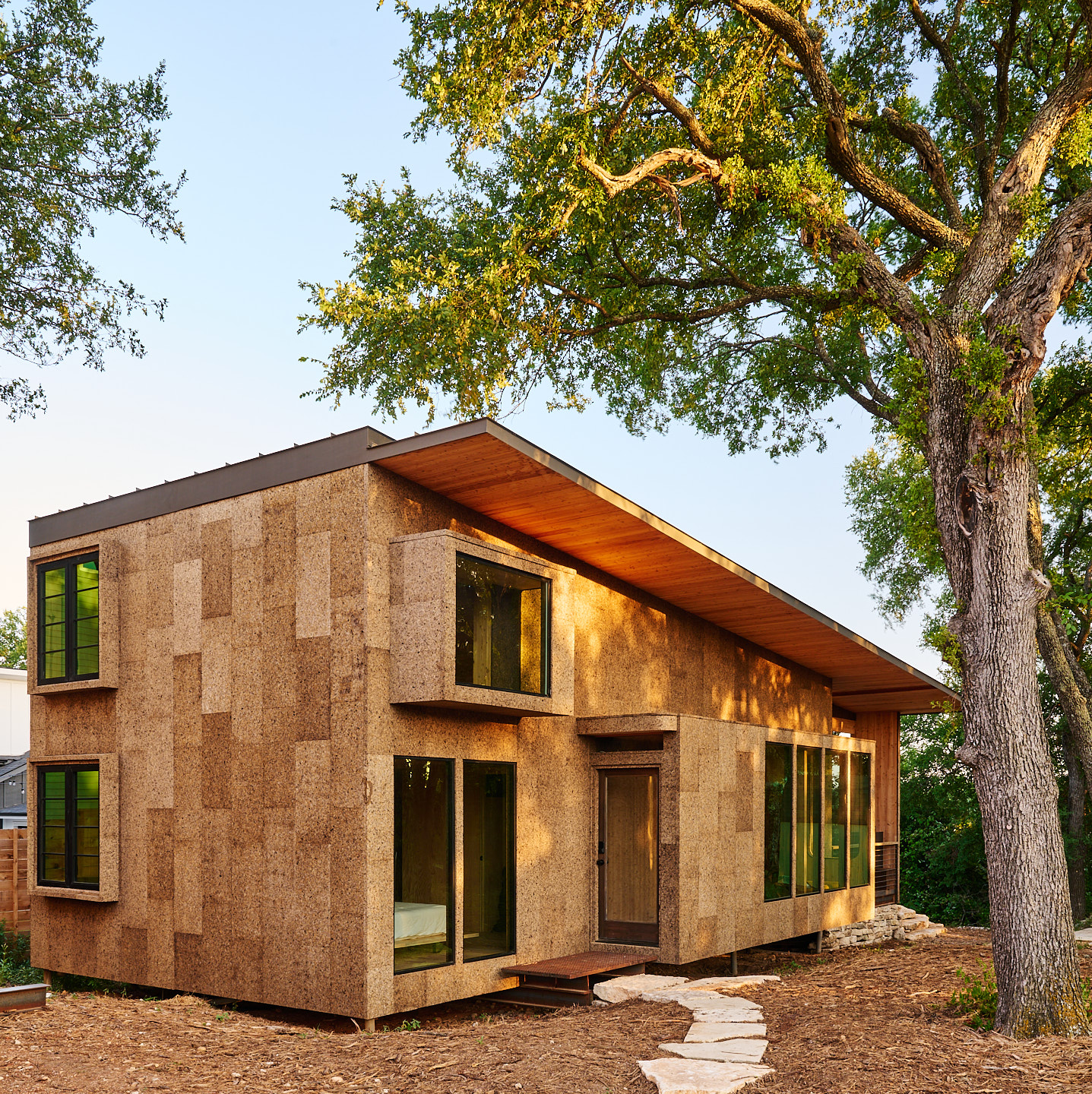
The word sustainable is often used to describe building products, but few are more sustainable than cork. This course will dive deep into the Cork Oak tree, its regenerative bark, mindful harvesting, and its use in the building products. We’ll review cork’s natural properties that make it ideal in the built environment, including thermal insulation, moisture resistance, durability, and superior acoustic control. This course will examine the use of cork in flooring underlayment, underscreed, cork cladding, and thermal insulation. Lastly, we’ll address cork’s contribution to a circular economy and review its lifecycle stages from its responsible forestry at raw materials to its end-of-life where cork products can be recycled into new products.
Presented By: Andreia Almeida,
Credits: 1 AIA LU HSW + 1 AIBD Primary + 1 Sustainable Design + 1 AIBC Core LU + 1 AAA Structured LU + 1 OAA, OAQ, SAA, MAA, AAPEI, NWTAA + 1 Climate Action (OAA)
Length: 1h
Sponsored by: Amorim Cork Solutions, LLC
Pressureless Treated Lumber: Wood Made Safer, Locally
FREE
Description
Specifiers seek the ideal treated-wood product for structural lumber. Until recently, pressure-treated wood has been the popular choice for decades.
Pressure-treated wood previously used chromated copper arsenate (CCA) until 2004 when the EPA outlawed the formulation due to health-risk concerns. Today’s pressure-treated wood uses alkaline copper quat (ACQ) or copper azole (CA). Even though these formulas are safer, pressure-treated wood is still not ideal. It comes with a warning to never burn and to wear protection when handling. It should never be used for indoor applications.
This course introduces the next advancement in treated wood that’s closer to ideal. We’ll explain this pressure-less
Credits: 1 AIA LU HSW + 1 GBCI (USGBC/CAGBC) + 1 AIBD Primary + 1 AIBC Core LU + 1 AAA Structured LU + 1 OAA, OAQ, SAA, MAA, AAPEI, NWTAA

Length: 1 hour
Sponsored by: Chemical Technologies Holding, Inc
Western Red Cedar, Distinctive Sustainable Design
FREE
Description
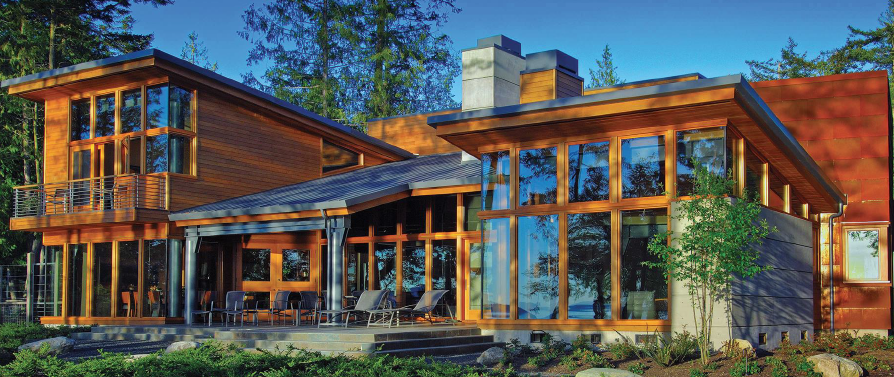
The Western Red Cedar Lumber Association (WRCLA) is a Non-Profit trade association that was established in 1954. We offer training to discerning users of WRC including the architect community. Western Red Cedar Distinctive Sustainable Designs is a one-hour, face-to-face training session developed for the architect community and provided by WRCLA qualified trainers. Through this one hour session, architects will increase their knowledge of WRC; its' properties and performance characteristics.
Credits: 1 AIA LU HSW + 1 GBCI (USGBC/CAGBC) + 1 AIBD Primary + 1 AIBC Core LU + 1 AAA Structured LU + 1 OAA, OAQ, SAA, MAA, AAPEI, NWTAA + 1 Climate Action (OAA)

Length: 1 hour
Sponsored by: Western Red Cedar Lumber Assn (WRCLA)
Western Red Cedar, Distinctive Sustainable Design
FREE
Description
The Western Red Cedar Lumber Association (WRCLA) is a Non-Profit trade association that was established in 1954. We offer training to discerning users of WRC including the architect community. Western Red Cedar Distinctive Sustainable Designs is a one-hour, face-to-face training session developed for the architect community and provided by WRCLA qualified trainers. Through this one hour session, architects will increase their knowledge of WRC; its' properties and performance characteristics.
Credits: 1 AIA LU HSW + 1 GBCI (USGBC/CAGBC) + 1 AIBD Primary + 1 AIBC Core LU + 1 AAA Structured LU + 1 OAA, OAQ, SAA, MAA, AAPEI, NWTAA + 1 Climate Action (OAA)
Length: 1 hour
Sponsored by: Western Red Cedar Lumber Assn (WRCLA)
Sustainable Exterior Envelope
FREE
Description
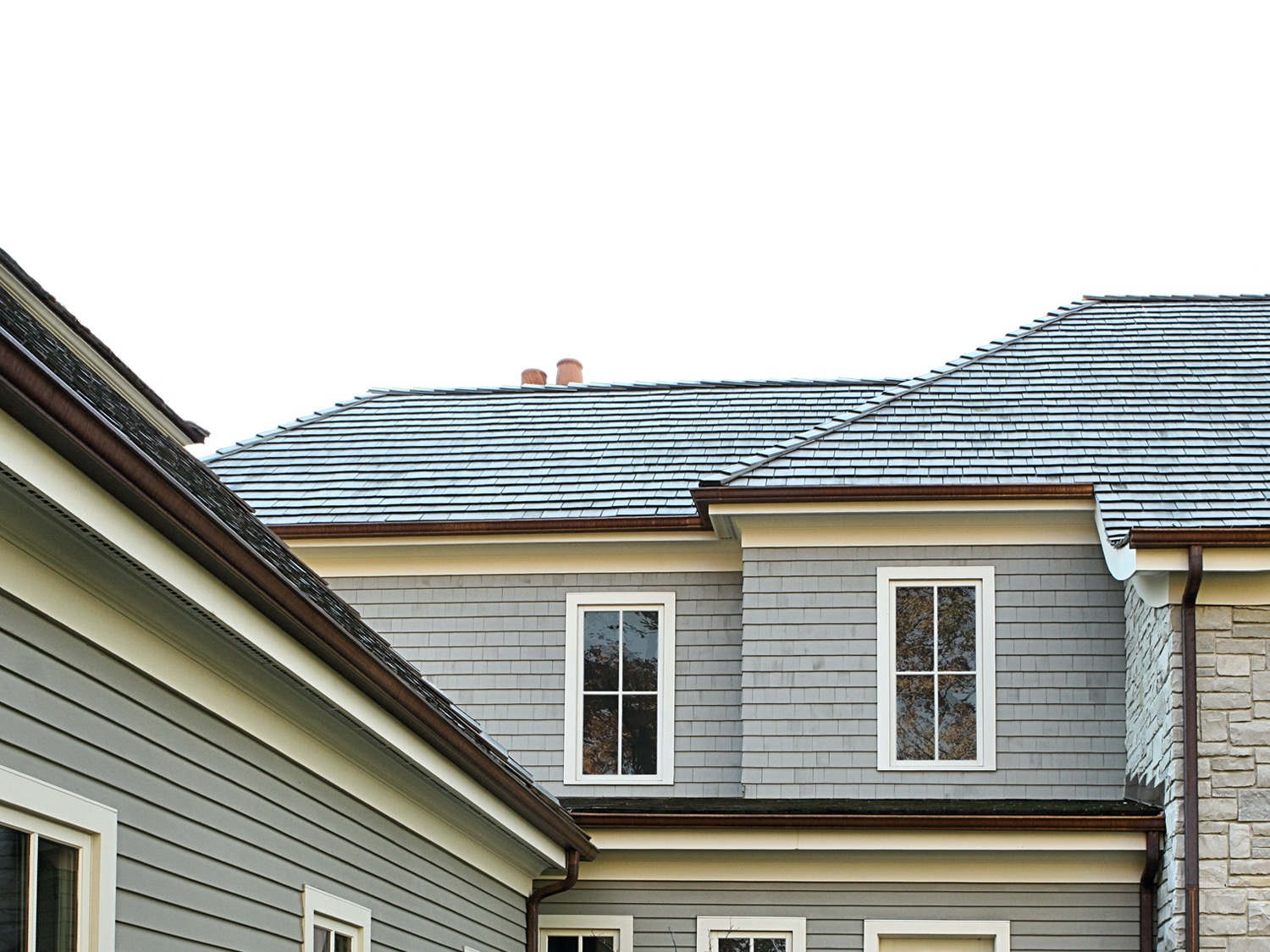
This course focus on the effect biological and physical agents have on the wood substrate of the exterior building envelope. After reviewing these agents you will learn how proper installation and best building practices can limit the exposure these agents can pose to your project. Durable wood substrates will also be discussed with a comparison of popular man made durability agents used to further protect the exterior envelope.
Credits: 1 AIA LU HSW + 1 AIBD Primary + 1 AIBC Core LU + 1 AAA Structured LU + 1 OAA, OAQ, SAA, MAA, AAPEI, NWTAA + 1 Climate Action (OAA)

Length: 1 hour
Sponsored by: WindsorONE
Acetylated Wood: A Natural and Durable Choice for Siding, Decking, and More

FREE
Description
This course discusses the process of wood acetylation, the resulting changes to wood, applications for acetylated wood, its green credentials and several case studies involving acetylated wood.
Credits: 1 AIA LU HSW + 1 GBCI (USGBC/CAGBC) + 1 AIBD Primary + 1 Sustainable Design + 1 AIBC Core LU + 1 AAA Structured LU + 1 OAA, OAQ, SAA, MAA, AAPEI, NWTAA + 1 Climate Action (OAA)
-medium.jpg)
Length: 1h
Sponsored by: Accsys Technologies - Titan Wood Inc.
Thermally Modified Hardwood and its Role in Architectural Design
FREE
Description
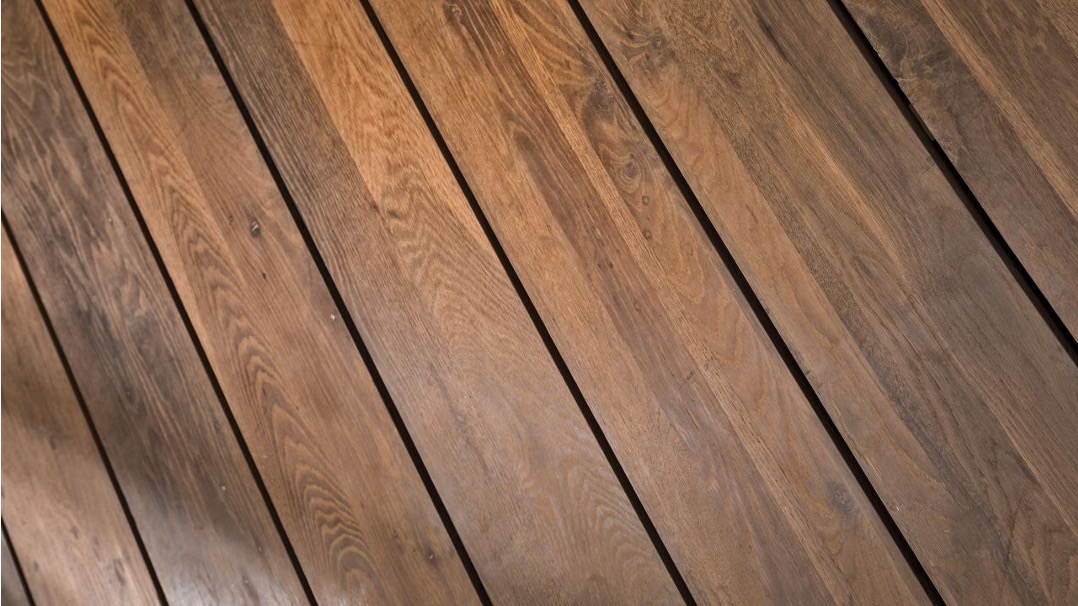
This presentation will provide information on the thermal modification process; discuss the environmental advantages and performance features of Thermally Modified Hardwood (TMH); and showcase Thermally Modified Hardwood in both outdoor and indoor applications. At the conclusion, specifiers will be comfortable sourcing this unique building material.
Credits: 1 AIA LU HSW + 1 AIBD Primary + 1 AIBC Core LU + 1 AAA Structured LU + 1 OAA, OAQ, SAA, MAA, AAPEI, NWTAA

Length: 1h
Sponsored by: HMA - Hardwood Manufacturers Association
Thermally Modified Wood: For the Love of Wood
FREE
Description
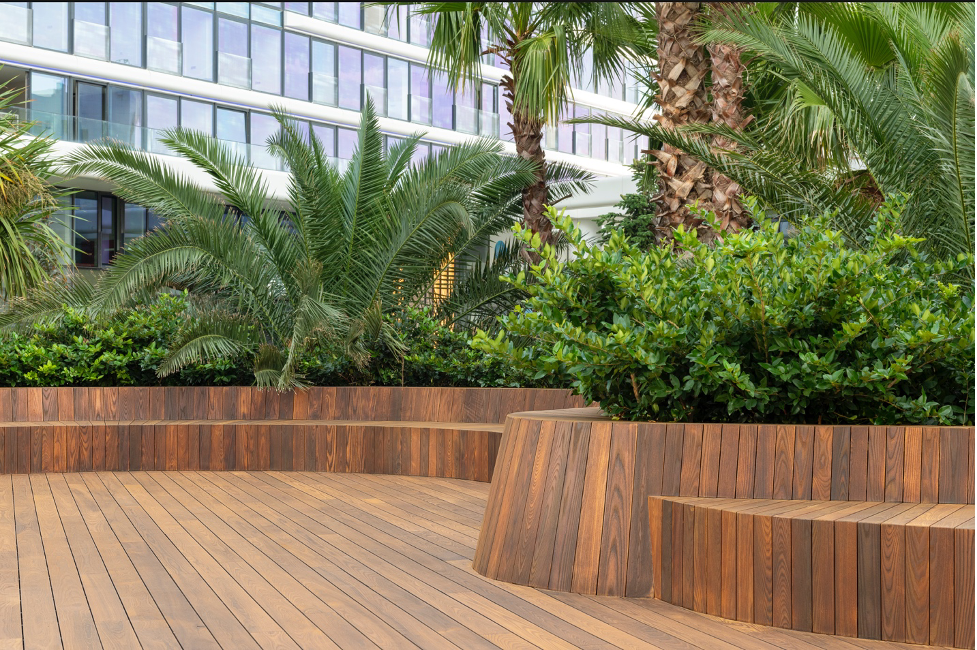
Humans have serious relationship with wood. Trees are the lungs of the Earth, and without them we wouldn’t be here. We breathe the oxygen released by trees, and trees absorb the carbon-dioxide we exhale. It makes sense why we love to design with beautiful wood.
With that love, we must be responsible. With the over-harvesting of tropical hardwoods, we seek technologies to strengthen the less-durable wood species that are responsibly grown. This course will explain how thermally-modified wood meets that challenge.
Credits: 1 AIA LU HSW + 1 GBCI (USGBC/CAGBC) + 1 AIBD Primary + 1 AIBC Core LU + 1 AAA Structured LU + 1 OAA, OAQ, SAA, MAA, AAPEI, NWTAA

Length: 1h
Sponsored by: Tantimber
Acetylated Wood: A Natural and Durable Choice for Siding, Decking, and More

"Good course. Definitely useful for my work in residential apartment buildings. Will surely look for areas to specify."
- Annette
FREE
Description
This course discusses the process of wood acetylation, the resulting changes to wood, applications for acetylated wood, its green credentials and several case studies involving acetylated wood.
Credits: 1 AIA LU HSW + 1 GBCI (USGBC/CAGBC) + 1 AIBD Primary + 1 Sustainable Design + 1 AIBC Core LU + 1 AAA Structured LU + 1 OAA, OAQ, SAA, MAA, AAPEI, NWTAA
Length: 1h
Sponsored by: Accsys Technologies - Titan Wood Inc.
American Hardwoods and Their Role in Carbon Neutral Design
FREE
Description
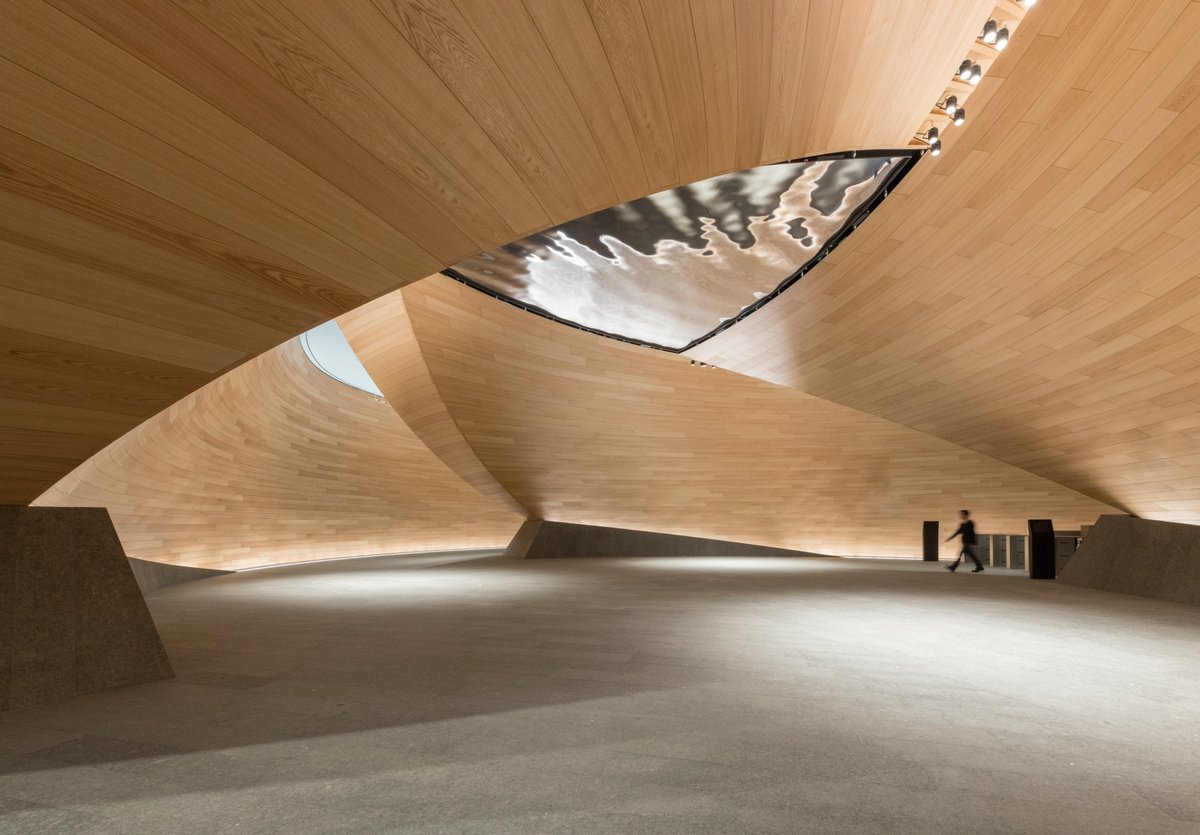
“American Hardwoods and Their Role in Carbon-Neutral Design,” is an hour long course that begins with a look at Hardwoods 101 – What are hardwoods? Where do they grow and how abundant are they? Who owns them? And how do we get them?” It then presents the science surrounding hardwoods; the significant role they play in the environment and finally, as a materials choice, discusses their significant role in sustainable building. At the conclusion of the course, specifiers can be confident that when they choose American hardwoods, they are selecting a quintessentially green material that is ever renewing, abundant and sustainable.
Credits: 1 AIA LU HSW + 1 AIBD Primary + 1 AIBC Core LU + 1 AAA Structured LU + 1 OAA, OAQ, SAA, MAA, AAPEI, NWTAA + 1 Climate Action (OAA)
Length: 1 hour
Sponsored by: HMA - Hardwood Manufacturers Association
Durable Timber: Designing for the Life Cycle of Embodied Carbon
"Very importamt topic for Architects who can lead in designing & building a sustainable environment."
- Ricardo
FREE
Description
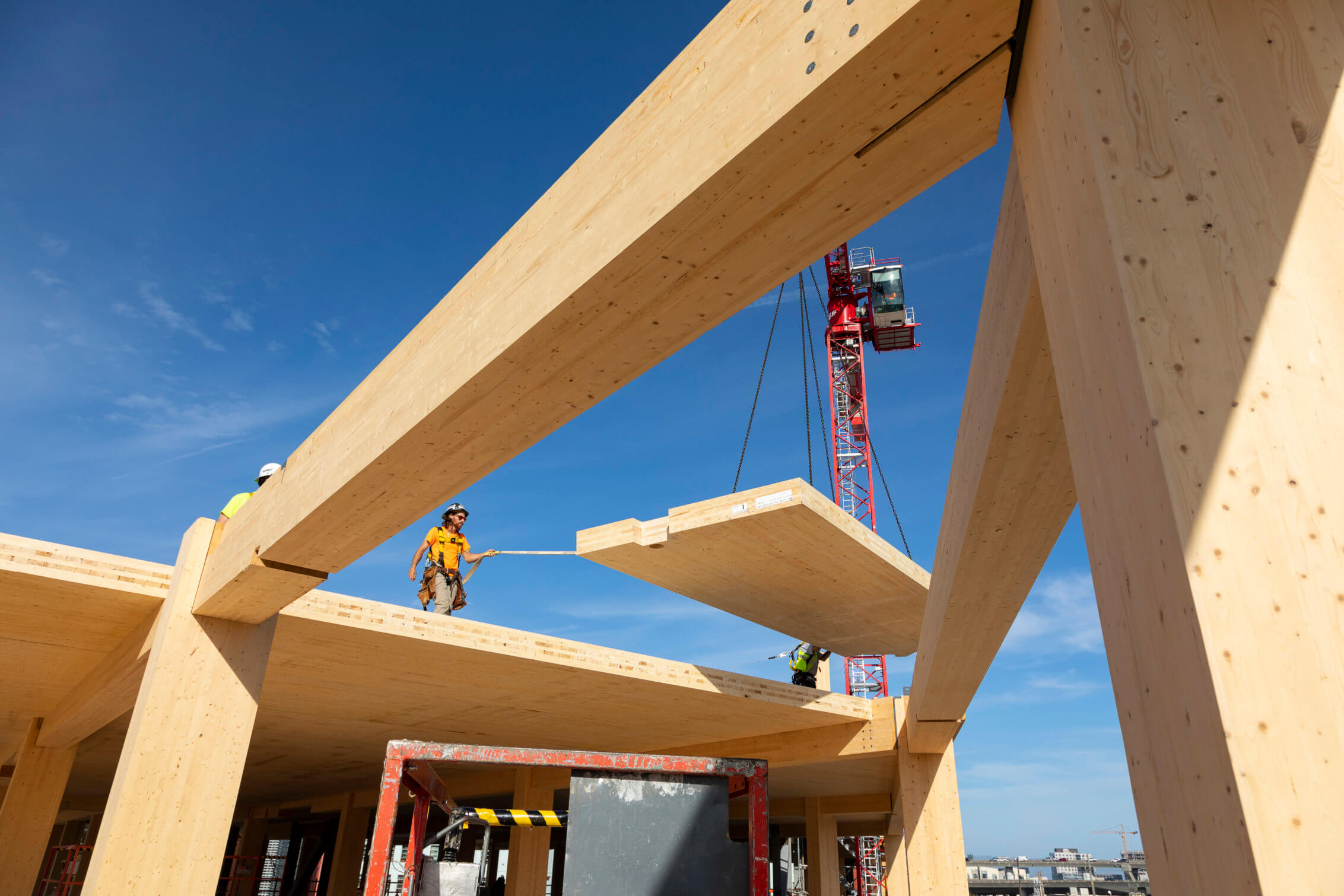
Architects have always had to adapt to a variety of performance indicators like energy use for their buildings. Recent years have seen a complex shift towards embodied carbon as an indicator. This shift has occurred without a full understanding of the principles of life cycle analysis (LCA), that go into the data sets for carbon. The rise of mass timber has fueled a broad interest in wood and bio-sourced building materials as a potential carbon storage solution. However, there is a real difficulty of capturing complex and regional variations in the simple frameworks of most carbon comparisons. There are competing agendas, methodology, and data presented to specifiers from all sides. Even the best advocates for timber must be humble about...
Credits: 1 AIA LU HSW + 1 GBCI (USGBC/CAGBC) + 1 AIBD Primary + 1 Net Zero (ZNCD) + 1 Sustainable Design + 1 AIBC Core LU + 1 AAA Structured LU + 1 OAA, OAQ, SAA, MAA, AAPEI, NWTAA + 1 Climate Action (OAA)

Length: 1h
Sponsored by: QWEB (Quebec Wood Export Bureau)
Protecting the Built Environment from Formosan Termites
FREE
Description
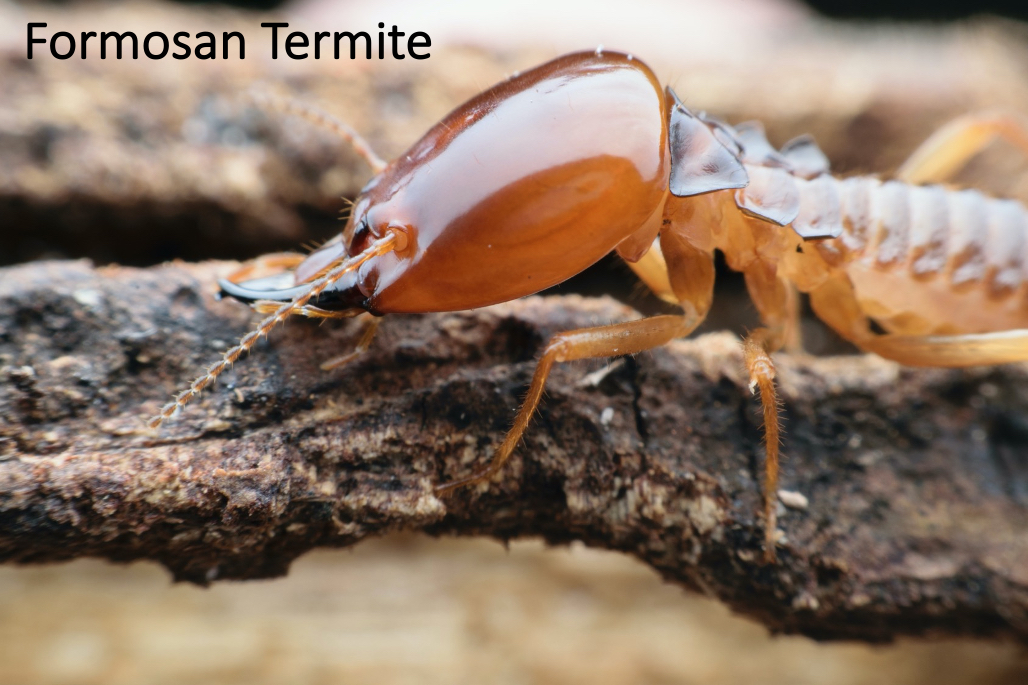
Many architects, engineers, and builders don’t consider the threat of Formosan termites. They therefore leave the building owner and future occupants with the ongoing task of using chemical pesticides and/or repairing significant damage. Do you build in the termite zone? Domestic subterranean termites exist throughout the mainland. Now much of the United States is susceptible to Formosan termite infestation, which has been expanding since 1975. Any new build within this termite zone should incorporate the steps to provide long-term protection against Formosan and native American subterranean termites. This course will describe the Formosan termite and the damage it can cause. We’ll review the preventative but long-term processes that many building owners take to prevent infestation. Most importantly, this course will...
Credits: 1 AIA LU HSW + 1 GBCI (USGBC/CAGBC) + 1 AIBD Primary + 1 OAA, OAQ, SAA, MAA, AAPEI, NWTAA
Length: 1 hour
Sponsored by: Polyguard Barrier Systems
Protecting the Built Environment from Formosan Termites
FREE
Description
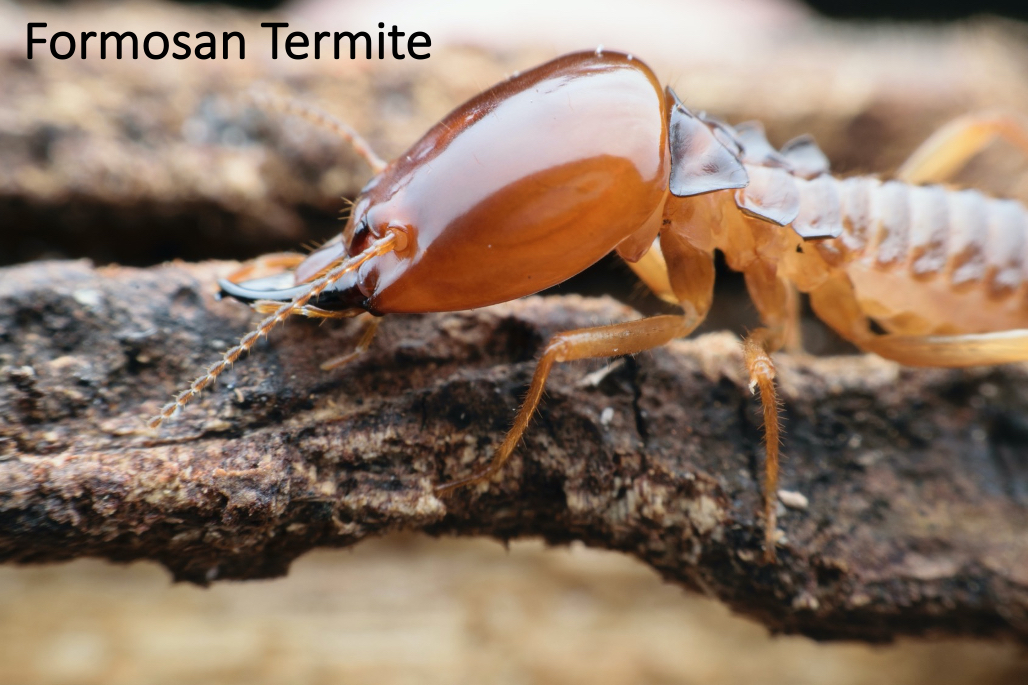
Many architects, engineers, and builders don’t consider the threat of Formosan termites. They therefore leave the building owner and future occupants with the ongoing task of using chemical pesticides and/or repairing significant damage. Do you build in the termite zone? Domestic subterranean termites exist throughout the mainland. Now much of the United States is susceptible to Formosan termite infestation, which has been expanding since 1975. Any new build within this termite zone should incorporate the steps to provide long-term protection against Formosan and native American subterranean termites. This course will describe the Formosan termite and the damage it can cause. We’ll review the preventative but long-term processes that many building owners take to prevent infestation. Most importantly, this course will...
Credits: 1 AIA LU HSW + 1 GBCI (USGBC/CAGBC) + 1 AIBD Primary + 1 OAA, OAQ, SAA, MAA, AAPEI, NWTAA
Length: 1 hour
Sponsored by: Polyguard Barrier Systems
Mastering Timber: How, When, and at What LOD to Introduce Carbon-Fixing Assemblies into Architectural Design
FREE
Description
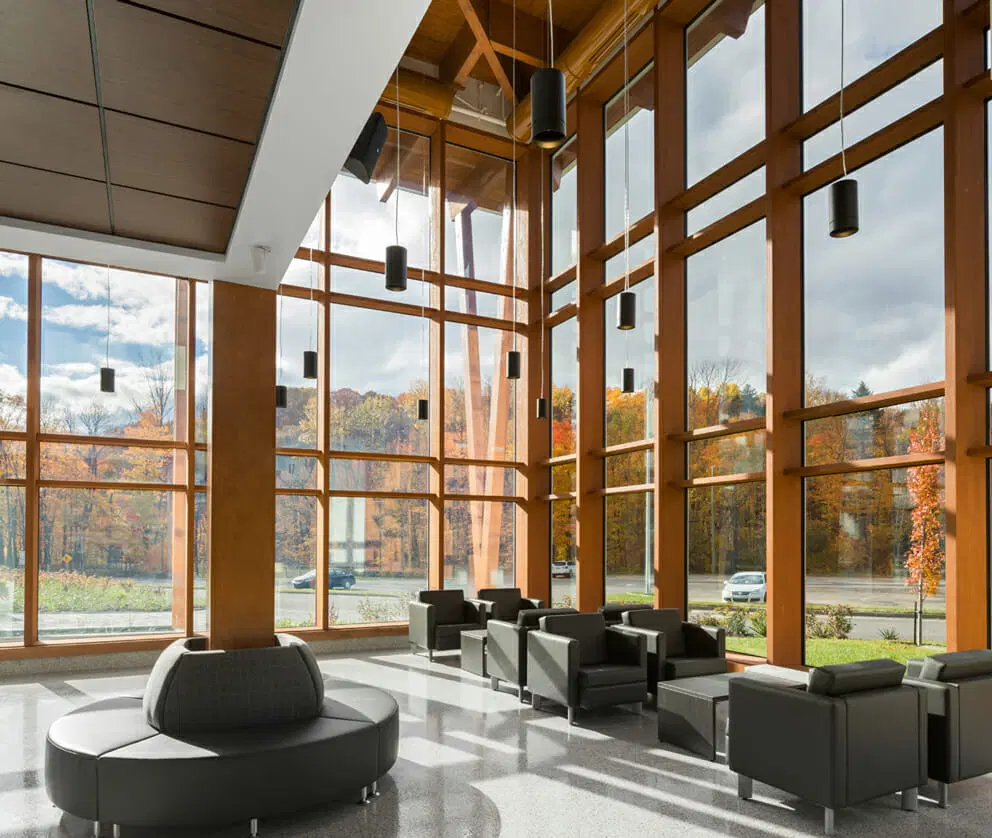
Introduce wood structure and biogenic material alternatives at the proper level of detail in schematic design.
Credits: 1 AIA LU HSW + 1 AIBD Primary + 1 Sustainable Design + 1 AIBC Core LU + 1 AAA Structured LU + 1 OAA, OAQ, SAA, MAA, AAPEI, NWTAA + 1 Climate Action (OAA)
Length: 1 hour
Sponsored by: QWEB (Quebec Wood Export Bureau)
American Hardwoods and Their Role in Carbon Neutral Design
FREE
Description
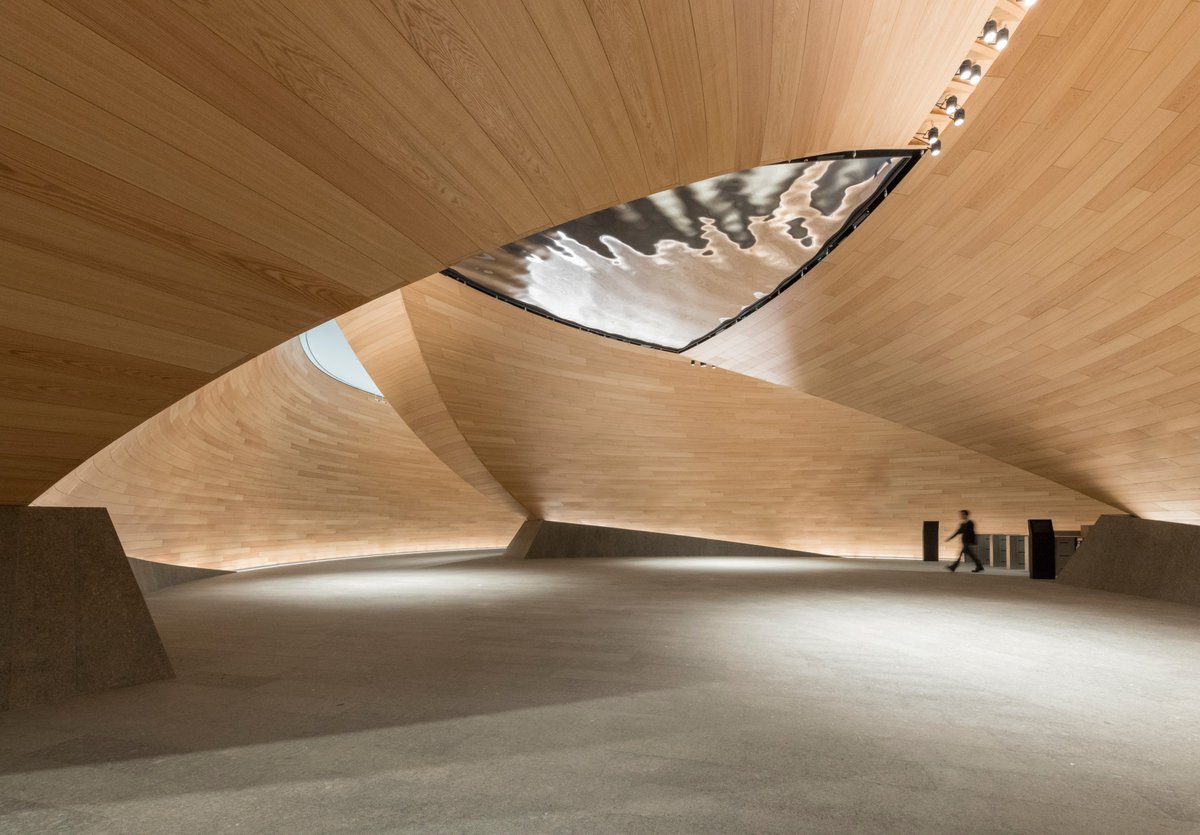
“American Hardwoods and Their Role in Carbon-Neutral Design,” is an hour long course that begins with a look at Hardwoods 101 – What are hardwoods? Where do they grow and how abundant are they? Who owns them? And how do we get them?” It then presents the science surrounding hardwoods; the significant role they play in the environment and finally, as a materials choice, discusses their significant role in sustainable building. At the conclusion of the course, specifiers can be confident that when they choose American hardwoods, they are selecting a quintessentially green material that is ever renewing, abundant and sustainable.
Credits: 1 AIA LU HSW + 1 AIBD Primary + 1 AIBC Core LU + 1 AAA Structured LU + 1 OAA, OAQ, SAA, MAA, AAPEI, NWTAA + 1 Climate Action (OAA)
Length: 1h
Sponsored by: HMA - Hardwood Manufacturers Association
Thermally Modified Hardwood and its Role in Architectural Design
"Great to know about this treatment process and option for sustainable wood use. Thank you."
- margaret
FREE
Description
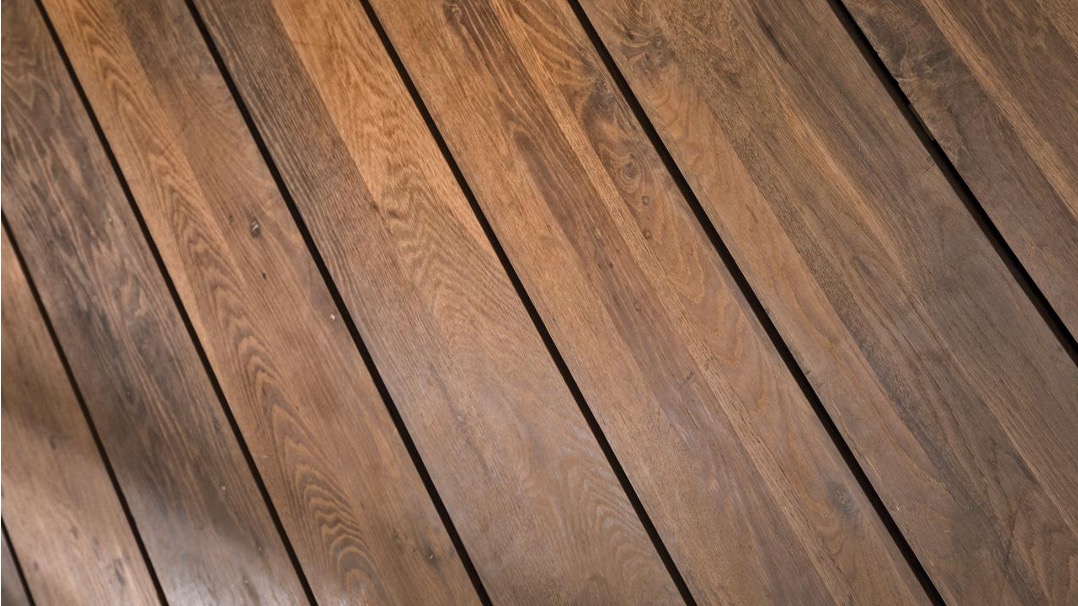
This presentation will provide information on the thermal modification process; discuss the environmental advantages and performance features of Thermally Modified Hardwood (TMH); and showcase Thermally Modified Hardwood in both outdoor and indoor applications. At the conclusion, specifiers will be comfortable sourcing this unique building material.
Credits: 1 AIA LU HSW + 1 AIBD Primary + 1 AIBC Core LU + 1 AAA Structured LU + 1 OAA, OAQ, SAA, MAA, AAPEI, NWTAA
Length: 1 hour
Sponsored by: HMA - Hardwood Manufacturers Association
Specify Today’s Hardwood Floors with Confidence
.jpg)
FREE
Description
With a long history of specifying hardwood floors, architects and builders understand the benefits and challenges of working with the material. There’s no doubt that occupants of residential and commercial buildings love the look and feel of hardwoods under their feet. But specifiers may presume that hardwood floors are more expensive and that an alternative product may install and repair easier. Architects may also be concerned that the wood is sustainably sourced. Innovation in today’s solid-hardwood floors delivers renewed confidence to specifiers. This course will describe the floating hardwood floor and the solutions it brings to green building, to ease of installation and repair, and to beauty that will last for generations.
Credits: 1 AIA LU HSW + 1 GBCI (USGBC/CAGBC) + 1 AIBD Primary + 1 Sustainable Design + 1 AIBC Core LU + 1 AAA Structured LU + 1 OAA, OAQ, SAA, MAA, AAPEI, NWTAA
Length: 1h
Sponsored by: Steller Floors
Mastering Timber: How, When, and at What LOD to Introduce Carbon-Fixing Assemblies into Architectural Design
FREE
Description
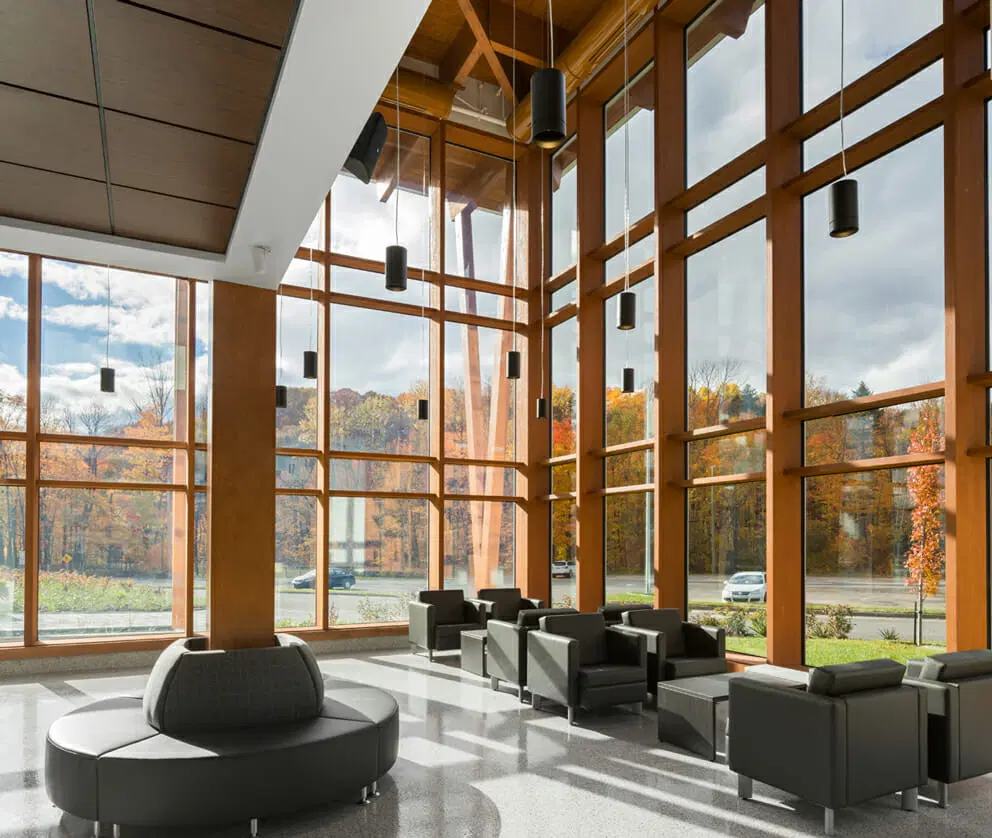
Introduce wood structure and biogenic material alternatives at the proper level of detail in schematic design.
Presented By: Eli Gould,
Credits: 1 AIA LU HSW + 1 AIBD Primary + 1 Sustainable Design + 1 AIBC Core LU + 1 AAA Structured LU + 1 OAA, OAQ, SAA, MAA, AAPEI, NWTAA + 1 Climate Action (OAA)
Length: 1h
Sponsored by: QWEB (Quebec Wood Export Bureau)
Design Commercially with SIPs (Structural Insulated Panels)
FREE
Description
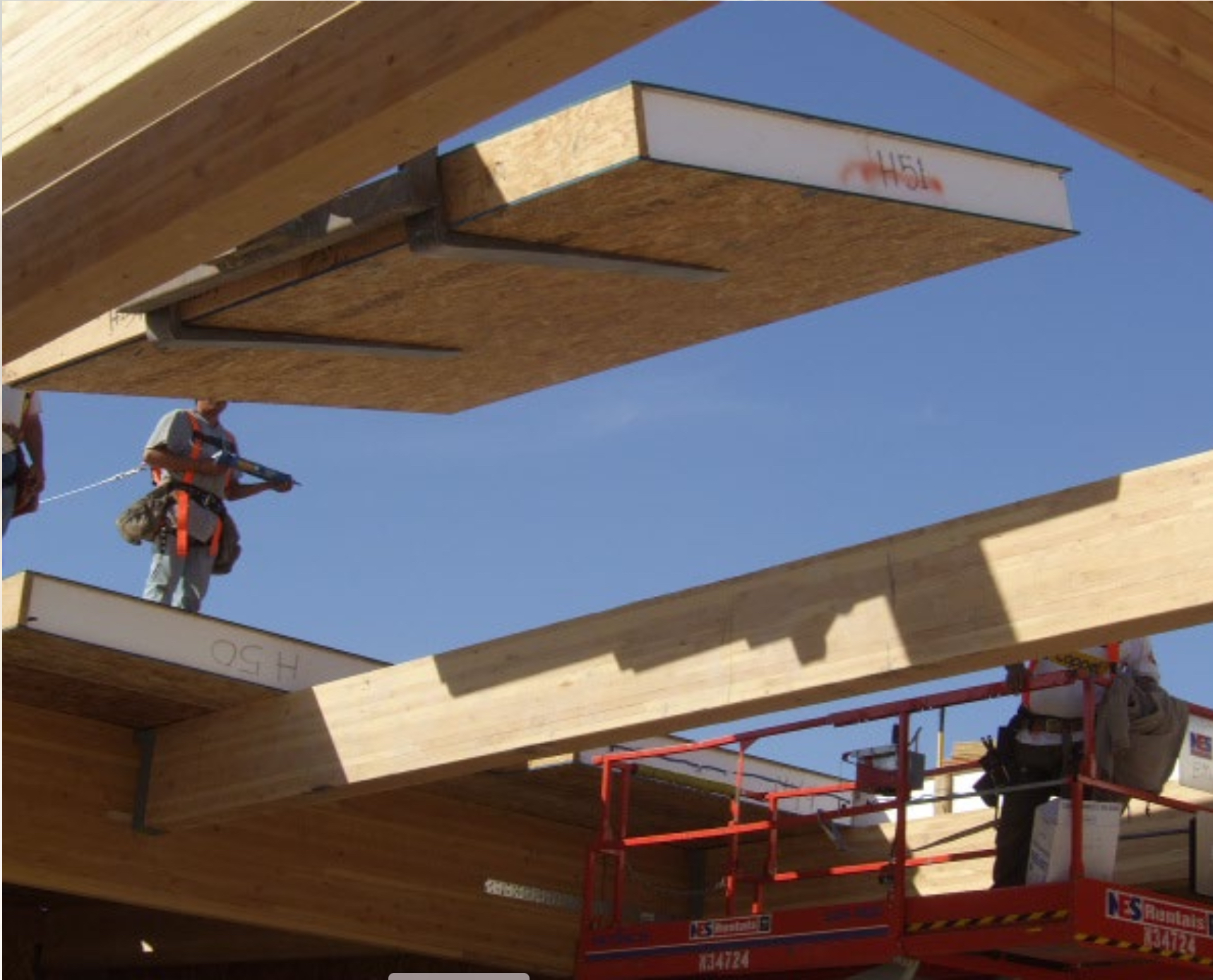
This course is an overview of the commercial application of structural insulated panels (SIPs) in Type V Construction (i.e. hotels, offices, multi-family, schools). The designer will gain an understanding of how to properly utilize SIPs for their off-site construction advantages of installation speed, waste minimization, energy efficiency, and sustainability.
Credits: 1 AIA LU HSW + 1 AIBD Primary + 1 AIBC Core LU + 1 AAA Structured LU + 1 OAA, OAQ, SAA, MAA, AAPEI, NWTAA
Length: 1h
Sponsored by: SIPA Structural Insulated Panel Association
NEW!
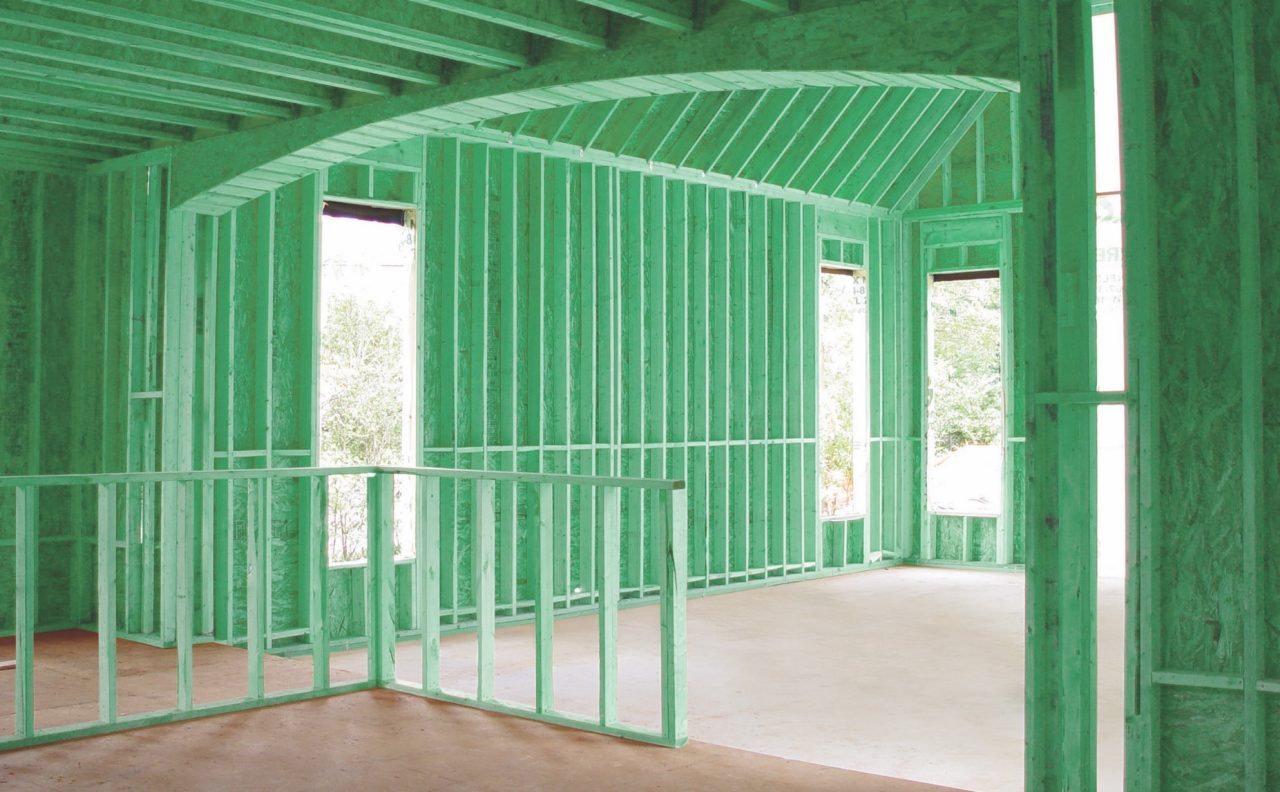
Salty Timbers : A guide to sodium borate treatment technologies in the FRTW, IRTW, and wood structure preservation fields
FREE
Description
An architect’s perspective on wood preservation treatment technologies is needed to balance the considerations of building durability while protecting the health and welfare of building occupants. This course uses case studies in single ingredient mineral salt treatments, whose known origin and chemistry can lower the impact of construction material supply chains. FRTW (Fire Resistant Treated Wood) is regulated by certifications in the US, with specific applications in mid-rise, multi-family, and mixed-use projects. Specifiers who want to access the environmental and structural benefits of a sustainable natural resource by using FRTW, have to navigate a complex web of factors including chemistry, effects on fasteners, and regulations that have evolved to ensure safety and code compliance in critical structural components. IRTW (Insect...
Credits: 1 AIA LU HSW + 1 AIBD Primary + 1 AIBC Core LU + 1 AAA Structured LU + 1 OAA, OAQ, SAA, MAA, AAPEI, NWTAA
Length: 1 hour
Sponsored by: QWEB (Quebec Wood Export Bureau)
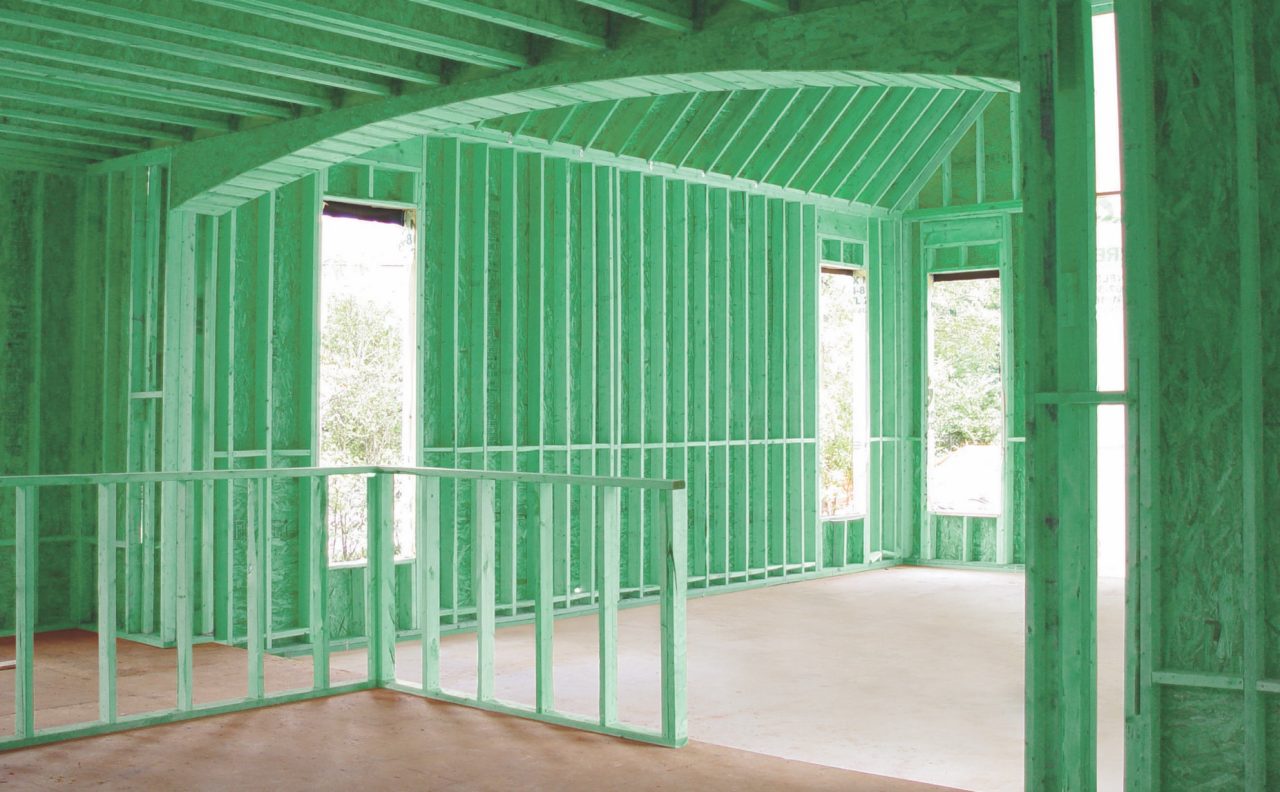
Salty Timbers : A guide to sodium borate treatment technologies in the FRTW, IRTW, and wood structure preservation fields
"Excellent coverage of the material. Learned a lot about the various coatings and uses."
- John
FREE
Description
An architect’s perspective on wood preservation treatment technologies is needed to balance the considerations of building durability while protecting the health and welfare of building occupants. This course uses case studies in single ingredient mineral salt treatments, whose known origin and chemistry can lower the impact of construction material supply chains. FRTW (Fire Resistant Treated Wood) is regulated by certifications in the US, with specific applications in mid-rise, multi-family, and mixed-use projects. Specifiers who want to access the environmental and structural benefits of a sustainable natural resource by using FRTW, have to navigate a complex web of factors including chemistry, effects on fasteners, and regulations that have evolved to ensure safety and code compliance in critical structural components. IRTW (Insect...
Credits: 1 AIA LU HSW + 1 AIBD Primary + 1 AIBC Core LU + 1 AAA Structured LU + 1 OAA, OAQ, SAA, MAA, AAPEI, NWTAA
Length: 1h
Sponsored by: QWEB (Quebec Wood Export Bureau)

Download our App!